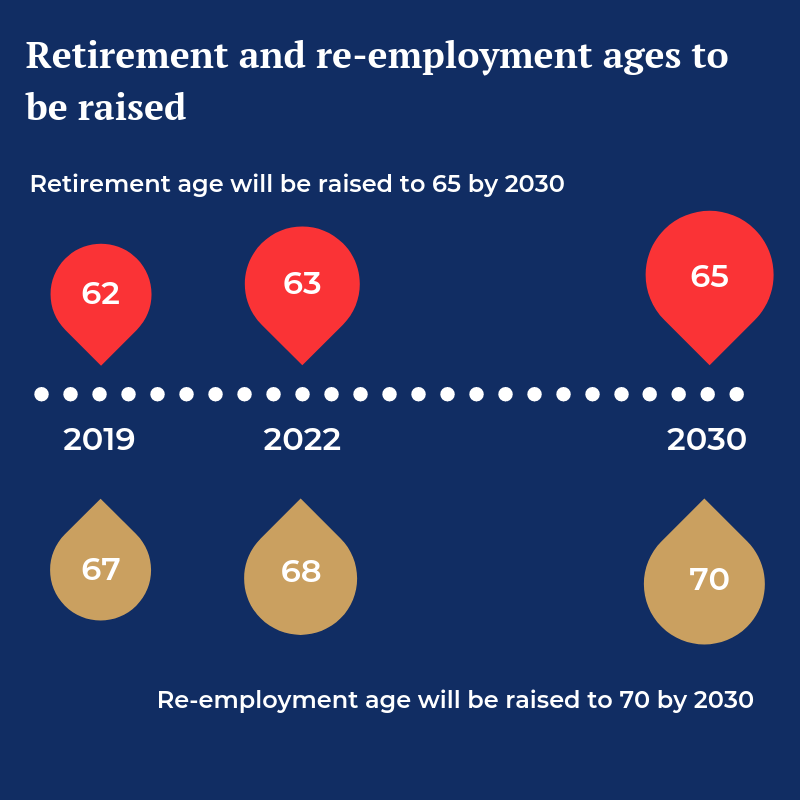
The UK government has recently announced plans to increase the retirement age, a move that has sparked widespread debate and discussion among citizens and experts alike. This change is part of a broader strategy to address demographic shifts and ensure the sustainability of the state pension system. As the population ages and life expectancy increases, the financial pressure on the pension system has grown, necessitating adjustments to maintain its viability.
The proposed retirement age increase uk aims to balance the needs of an aging population with the economic realities of providing state-supported pensions. While this move has been met with some resistance, it is crucial to understand the underlying reasons and potential impacts of this policy change. In this article, we will explore the details of the retirement age increase uk, its implications, and the rationale behind this significant shift in pension policy.
Background and Context
The UK’s pension system has long been a cornerstone of social welfare, providing financial support to retirees after a lifetime of work. Historically, the state pension age has been set at 65 for men and 60 for women, though this has already begun to change in recent years. The current plan to further increase the retirement age is driven by several key factors, including an aging population, increased life expectancy, and the need to ensure the long-term sustainability of the pension system.
According to recent data, life expectancy in the UK has risen significantly over the past few decades. This means that the number of years individuals are expected to draw a pension has also increased, placing additional strain on the system. To address this, the government has proposed gradually raising the retirement age to ensure that the pension system remains financially viable for future generations.
The Proposed Changes
The government’s plan to increase the retirement age uk involves a gradual adjustment over several years. The new retirement age is set to be 68 for both men and women by the year 2037. This change will be implemented in stages, allowing individuals and employers time to adjust their financial and retirement planning strategies accordingly.
This increase is not without precedent. Many other countries have already taken steps to raise their retirement ages in response to similar demographic and economic pressures. By aligning with these global trends, the UK aims to maintain a sustainable pension system that can support retirees in the years to come.
Implications and Considerations
The retirement age increase uk will have a range of implications for individuals, employers, and the economy as a whole. For many workers, this means an extended working life, potentially requiring adjustments in career planning and financial strategies. Employers, too, will need to adapt to an older workforce, ensuring that workplace policies and practices are conducive to employees of all ages.
On a broader level, this policy change could impact labor market dynamics, with potential effects on workforce participation rates, skill development, and economic productivity. It is essential for policymakers, employers, and individuals to engage in proactive planning to mitigate any potential challenges and maximize the benefits of this shift.
Expert Opinions and Public Reaction
The proposal to increase the retirement age in the UK has elicited a variety of responses from experts and the public. Some argue that the change is necessary to ensure the long-term sustainability of the pension system, while others express concerns about the impacts on older workers and the broader labor market.
Dr. Jane Smith, a leading economist specializing in pension policy, notes: “The increase in the retirement age is a pragmatic response to demographic realities. While it presents challenges, it also offers an opportunity for individuals and employers to rethink their approach to work and retirement.”
Public opinion polls show a mixed reaction, with many acknowledging the need for change while also voicing concerns about the practical implications. Engaging in informed debate and considering the perspectives of all stakeholders will be crucial in navigating this transition smoothly.
Conclusion
The retirement age increase in the UK is a significant policy change with wide-ranging implications. While it presents challenges, it also offers opportunities for individuals, employers, and policymakers to adapt and evolve. By understanding the reasons behind this shift and engaging in proactive planning, we can work towards a sustainable and equitable pension system that supports retirees and the broader economy alike.
For more detailed information and updates, refer to the official government website.
Meta Description: The UK government plans to increase the retirement age to 68 by 2037. This article explores the reasons and implications of this change, offering insights for individuals and employers.