10 Proven Ways to Develop a Thicker, Fuller Mustache in 2025 (The Ultimate Growth Guide)
Developing a magnificent mustache is a journey of patience, biology, and strategic grooming, but the latest science confirms that you don't have to leave your destiny entirely to genetics. As of late 2024 and heading into 2025, the most successful methods for cultivating a thicker, fuller 'stache combine hormonal optimization through diet and targeted supplementation with proven topical treatments and advanced dermal stimulation techniques.
The key to accelerating growth lies in understanding the hair cycle—specifically the
Anagen Phase (growth phase)—and providing your body with the maximum support to keep those follicles active and healthy. Whether you're dealing with patchy spots, slow growth, or simply aiming for maximum density, this ultimate guide provides the fresh, actionable steps needed to develop the mustache you've always wanted.
The Biological Foundation: Hormones, Hair Cycle, and Genetics
Understanding the underlying science is the first step in mastering
mustache development. Facial hair growth is primarily driven by two androgen hormones:
Testosterone and its more potent derivative,
Dihydrotestosterone (DHT). Genetics determine the sensitivity of your hair follicles to these hormones, which is why some men grow a full beard easily while others struggle with patchy or sparse growth.
The hair on your upper lip, like all body hair, goes through three main phases:
- Anagen Phase (Growth): This is the active growth stage, which can last from a few months up to several years. The longer your mustache stays in this phase, the longer it will grow.
- Catagen Phase (Transition): A short transitional phase where the hair follicle shrinks and detaches from the dermal papilla.
- Telogen Phase (Resting): The follicle is dormant, and the old hair is eventually shed to make way for a new hair to begin the Anagen Phase.
The goal of any growth strategy is to prolong the Anagen Phase and recruit more dormant
Vellus hairs (fine, light hairs) into becoming terminal
Androgenic hairs (thick, pigmented mustache hairs).
Top 10 Science-Backed Methods for Rapid Mustache Growth (2025)
Forget old wives' tales; these methods are supported by modern research and expert grooming knowledge to maximize your
facial hair density and speed.
1. Optimize Your Diet for Hormonal Health (DHT & Testosterone Boost)
Your diet is a direct lever for influencing the hormones that drive mustache growth. Focusing on foods rich in
Zinc,
Boron, and healthy fats is crucial for boosting free
Testosterone and
DHT levels.
- Zinc-Rich Foods: Incorporate oysters, beef, pumpkin seeds, and lentils to support testosterone production.
- Boron Sources: Foods like raisins and almonds contain Boron, which has been shown to boost testosterone and DHT levels.
- Natural DHT Boosters: Orange juice, due to its fructose content, can temporarily reduce Sex Hormone-Binding Globulin (SHBG), thereby increasing free Testosterone and DHT.
- Healthy Fats: Avocados, nuts, and olive oil are essential for overall hormonal balance.
2. Deploy the Minoxidil and Microneedling Protocol
For those seeking a significant, non-genetic boost, the combination of topical
Minoxidil (5%) and
Microneedling is the most effective proven method.
- Minoxidil (Rogaine): This topical solution, traditionally used for scalp hair loss, is widely used off-label to stimulate new facial hair follicles by increasing blood flow and extending the Anagen Phase.
- Microneedling (Derma Roller): Using a Derma Roller with a needle size of 0.5mm creates micro-injuries, which triggers the skin's healing response and releases growth factors. This process also dramatically increases the absorption of topical products like Minoxidil.
- Protocol Safety: Crucially, wait 24 hours after microneedling before applying Minoxidil to the area. Applying it immediately can lead to excessive systemic absorption and irritation.
3. Maximize Key Hair Growth Supplements
While a balanced diet is paramount, certain supplements can ensure you hit the necessary levels of hair-building nutrients.
- Biotin (Vitamin B7): The most popular hair supplement, Biotin strengthens the keratin structure of the hair, leading to thicker strands.
- Collagen: A protein that forms the building blocks of hair and skin. Supplementing with hydrolyzed collagen can support follicle health.
- Vitamin D: Essential for the hair cycle, a deficiency in Vitamin D is linked to hair thinning.
- MSM (Methyl Sulfonyl Methane): This organic sulfur compound is believed to strengthen hair and accelerate growth.
4. Master the Art of "The Grow-Out" Phase
The first 4-8 weeks can be awkward, but patience is your most powerful tool. Resist the urge to trim or shape too early.
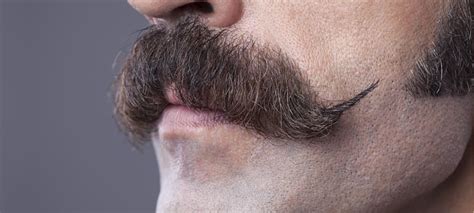
5. Implement a Dedicated Mustache Skincare Routine
A healthy follicle needs a healthy environment to thrive.
- Exfoliation: Gently exfoliate the upper lip area 1-2 times a week to remove dead skin cells and prevent ingrown hairs, which can stunt growth.
- Moisturize: Use a non-comedogenic moisturizer or a specialized beard/mustache oil daily. Oils containing natural ingredients like Apricot Kernel Oil and Hemp Seed Oil nourish the follicles and promote circulation.
- Cleanse: Wash the area regularly with a gentle facial cleanser or a specialized facial hair shampoo to remove dirt and oil buildup.
6. Manage Stress and Prioritize Sleep
Chronic stress elevates
Cortisol, a hormone that can interfere with the production of Testosterone and push hair follicles prematurely into the resting (Telogen) phase. Aim for 7-9 hours of quality sleep per night to allow the body to regulate hormones and repair cells.
7. Incorporate Strength Training and Cardio
Regular physical activity, especially strength training, is a natural way to boost
Testosterone levels. Increased blood circulation from cardio also ensures that essential nutrients reach the hair follicles efficiently.
Grooming and Styling Hacks for Patchy or Thin Growth
While you wait for the full density to arrive, smart grooming can create the illusion of a thicker, more developed mustache.
8. The "Wispy Wonder" and Short-Box Style
If your mustache is naturally thin or patchy, don't try to force a thick, dense style. Instead, embrace a shorter, neater style known as the "Wispy Wonder" or a closely-cropped Short-Box style. Keeping the hairs trimmed short and sharp gives the appearance of intentional styling rather than simply unkempt growth.
9. Use a Mustache Wax or Balm for Structure
A high-quality
mustache wax or
balm can work wonders. These products add weight, texture, and hold to the hairs, allowing you to comb them in a way that covers sparser areas. By brushing the hairs slightly outward and down, you can maximize coverage over the upper lip.
10. Tapering and Fading Techniques
If the hair is thickest in the center but sparse toward the corners, ask your barber to use a
tapering or
fading technique. This involves gradually trimming the hair length from the thickest part to the thinnest, creating a smooth, professional transition that minimizes the appearance of patchiness.
Summary of Key Entities for Topical Authority
The process of developing a significant mustache relies on a combination of biological and dermatological factors. Key entities involved include the hormones
Testosterone and
Dihydrotestosterone (DHT); the hair cycle phases:
Anagen Phase,
Catagen Phase, and
Telogen Phase; and the proven accelerators:
Minoxidil (5%) and
Microneedling (using a
Derma Roller). Essential nutrients are
Biotin,
Collagen,
Zinc,
Vitamin D, and
Vitamin E. Finally, specialized grooming tools like
Mustache Wax,
Beard Oil, and
precision trimmers are vital for maintenance and styling.


